Positioning
AI in the service of usefulness
AI is not a topic anymore. It is a means. Full stop. You would not use a hammer to paint a picture (yes, I know, the analogy is weird, but you get it): it is no different with an AI model. The right question is never “what can we do with it”, it is “which problem in your company deserves something built, with what objective behind it, and for whom exactly on your team”. Here is how I answer that, starting with what I built for myself first.
A knowledge system that belongs to you, and outlives my departure
I built mine six months ago. I feed it every day, without exception. A Git repository of Markdown files, readable without any proprietary tool, worked on by agents. Nothing more exotic than that, and that is on purpose: you do not need a magic tool, you need something that lasts and that is actually useful to you.
The technology matters less than you would think, honestly. What matters is ownership. Your system depends on no subscription, no vendor, and no three people’s memory, walking out the door one day with everything they knew and never wrote down anywhere. If the tool that reads it disappears tomorrow, your files remain readable. If I leave, it stays usable. Renting a platform today? Ask yourself what is left of it the day you stop paying…
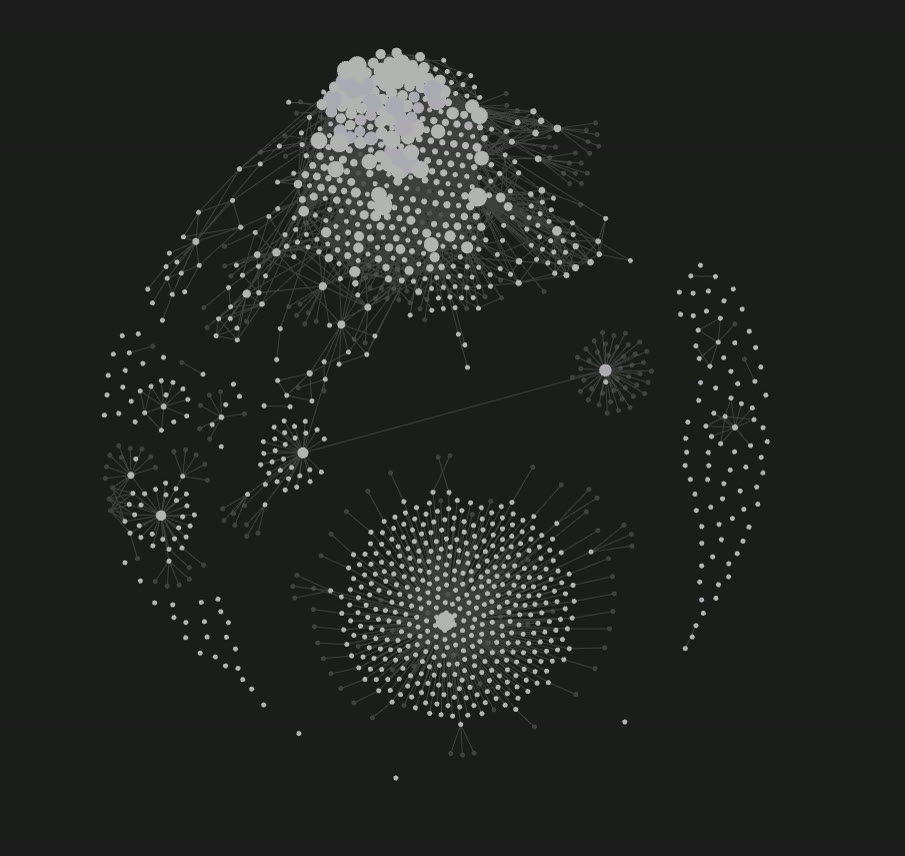
In practice, it absorbs what usually gets lost at your company: live sessions, recorded meetings, sales documents, client feedback, the expertise that lives in your teams’ heads. It then serves as the base for all content and sales material production. You never start from scratch again. It is a real web of tools and knowledge that all talk to each other.
Tools get built because they are useful in daily work
Most AI projects fail, in my view, because they start from the technology and work backwards to the need. The tool ends up existing without anyone using it, and what is left in the company is the idea that “we tried AI, it does not work”.
I do the opposite. We start from a written commercial objective, look at where your time is actually being lost, and build only what serves that objective. Less spectacular, yes. But still in use the following month. Six months later too. That is also what marketing is, to me.
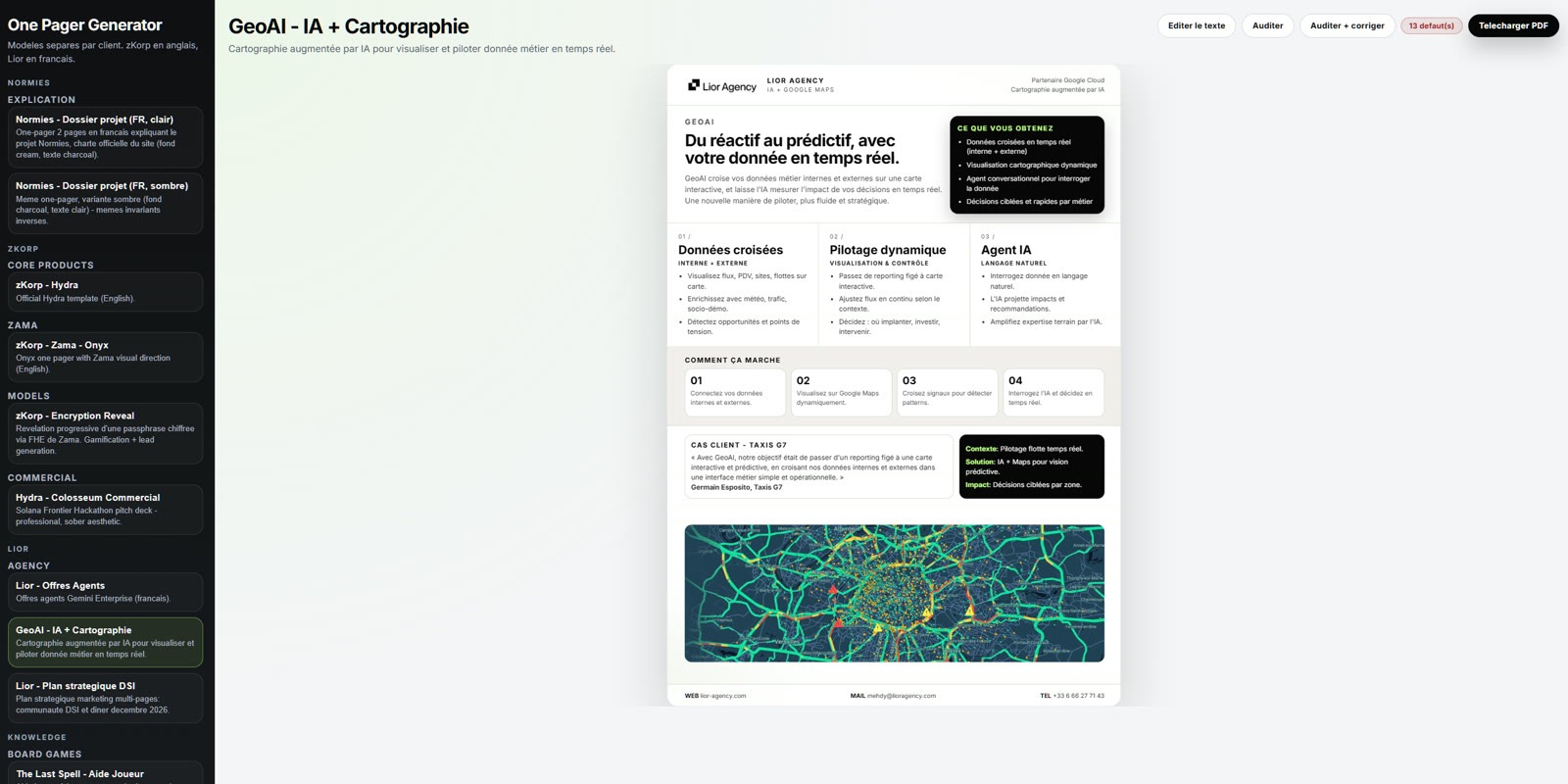
A concrete example: at one client, the same information was being retyped eight times into eight documents after every meeting. The tool built captures the meeting by voice and fills all eight. It does nothing else, and that is exactly why it gets used.
The strategy and the tool that serves it, built by the same person
This is the only thing I claim as rare. An agency designs a strategy and does not write code. A technical contractor builds and does not think about distribution. The two pass the problem back and forth, and the client pays for the round trip.
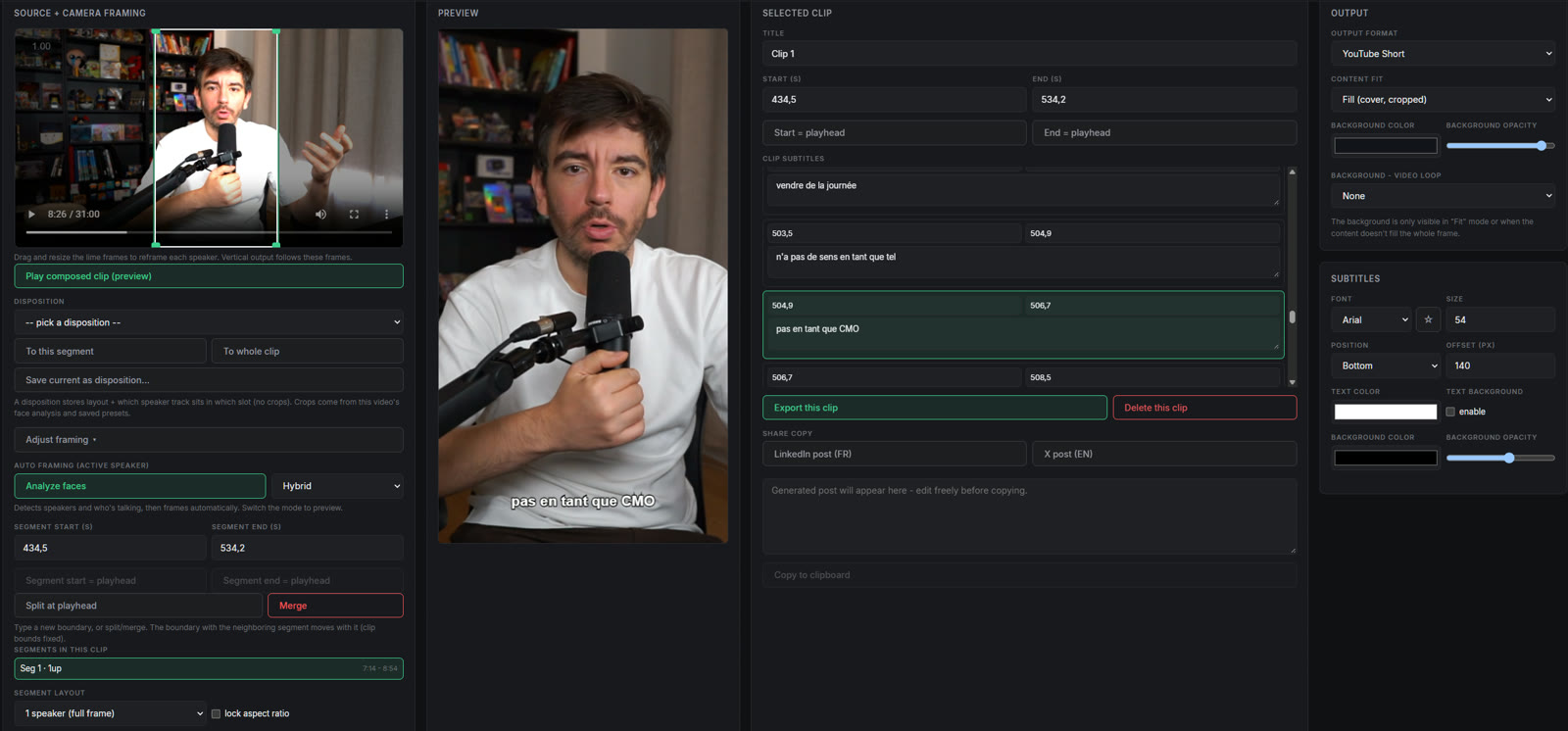
On one of my products, every feature developed triggered a workflow that automatically produced the demo GIF to publish. Building and going to market in the same move. Nobody asked me to do it, and that is precisely the point: when one person holds both ends, that kind of thing happens by itself.
It is also what makes me the right counterpart for technical teams. I come from development, so I understand what they say, and I can translate their expertise for people who do not share it. A CMO who does not understand the technology gets hollow content written by irritated experts.
What I refuse to pass off as useful AI
Mass-generated visuals with no art direction, bulk-produced posts, fully automated content pipelines. It shows, it damages a brand, and readers simply stop looking at the company.
The problem is not the tool, it is the absence of a purpose behind it. Visibility without a commercial objective produces nothing, and a company that imitates mediocre competitors ends up looking like them.
What frustrates me most, especially at small and mid-sized companies, is AI used for the wow effect: “look, our emails are automated, we set up a bunch of workflows”. You end up with a contraption you do not understand, that nobody can maintain, and that depends on an outside provider you can no longer do without, because the work rests on one person. You would not do that with your own employees. Do not do it with an outside provider either.
See how this gets installed at your company
What you just read is not a separate service: it is part of what I bring as a fractional marketing lead. The diagnosis, the knowledge system, the tools, all of it sits inside one offer.
See the offer